Marketing
Promotional Giveaways in the Age of Digital Marketing
Traditional promotional giveaways still have their place, but in digital marketing their modern equivalents - checklists, e-books, calculators, and PDF guides - are playing an increasingly bigger role. Read why customers are so eager to download digital materials, how lead magnets work, and which formats perform best for SMBs and B2B. This is a practical guide for companies that want to create giveaways carrying real value, not just a nice logo.
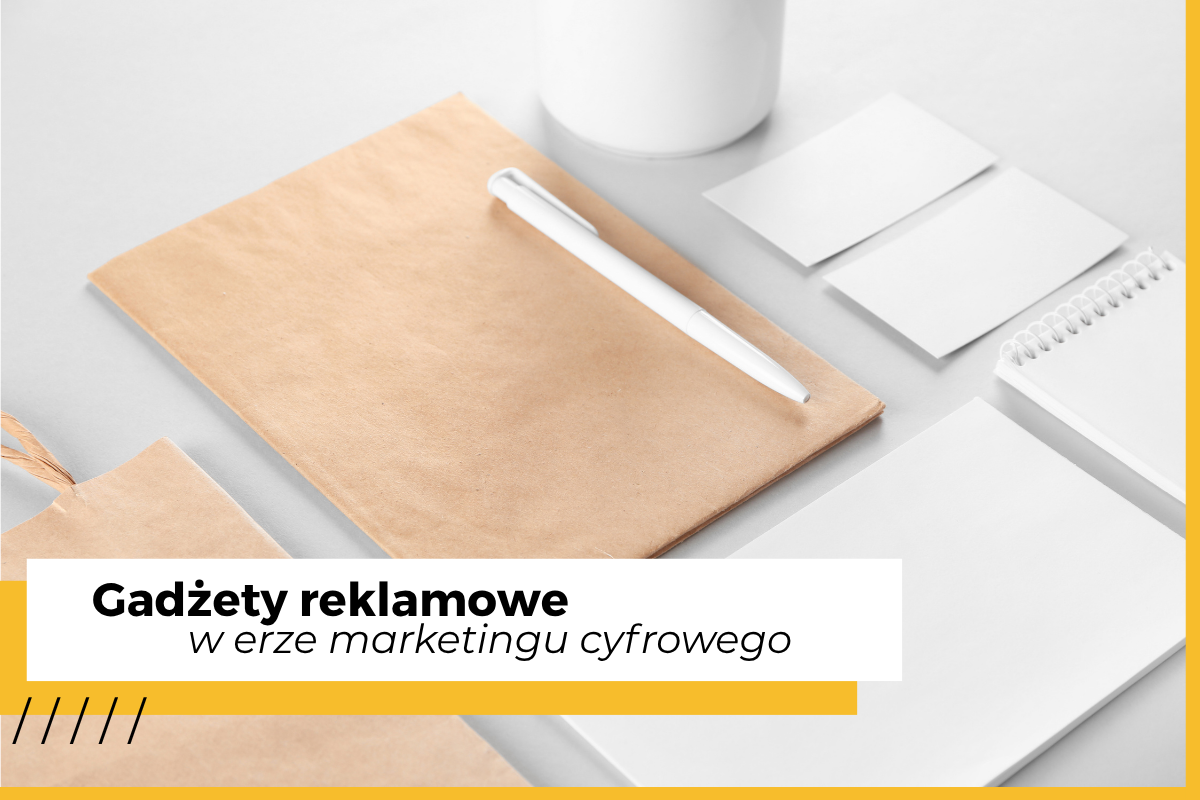
Promotional giveaways have accompanied companies at trade shows, conferences, and industry events for years. Pens, mugs, lanyards, and notebooks still have their place - especially where a brand's physical presence matters. But in the age of digital marketing, their role has changed significantly. Online, it's not the gadget sitting on someone's desk that decides whether they'll stay in touch with a company - it's the value a brand manages to deliver in that first interaction.
That's why businesses - from SMBs, through e-commerce, to B2B and manufacturing - are increasingly turning to digital equivalents of traditional giveaways. These are materials that educate, support a customer's decision-making process, and build an expert image, all at once. Importantly, they're cheaper, faster, and far more flexible to produce than physical giveaways. In this article we look at when traditional gifts still make sense, and when it's worth replacing or supplementing them with digital lead magnets. We also look at why audiences are so eager to download e-books, checklists, or calculators - and how your company can tap into that natural tendency to build relationships and generate valuable leads.
Why do customers like "getting something" - even if it's intangible? (the psychology behind it)
People like receiving gifts - it's a natural psychological mechanism that works regardless of whether the gift is physical or digital. A key role here is played by the reciprocity effect: when a brand gives its audience something valuable, the recipient instinctively feels the urge to reciprocate. Online, that "payback" might be signing up for a newsletter, leaving contact details, or coming back to the site in the future.
The second factor is instant gratification. Digital materials - checklists, guides, calculators - can be downloaded right away, with no waiting for a delivery. This quick sense of benefit increases the recipient's satisfaction and lowers the barrier to entering a relationship with the brand.
Digital giveaways have one more edge: users see them as a form of expert help. When they receive a specific piece of material that genuinely solves their problem, they start seeing the company as a source of knowledge, not just a seller. That builds trust - the foundation of every B2B and consumer relationship.
As a result, even a small digital "gift" can trigger a positive reaction, boost engagement, and encourage further interaction with the brand. That's why lead magnets work - they tap into mechanisms we all carry within us.
Physical giveaways - when do they still make sense?
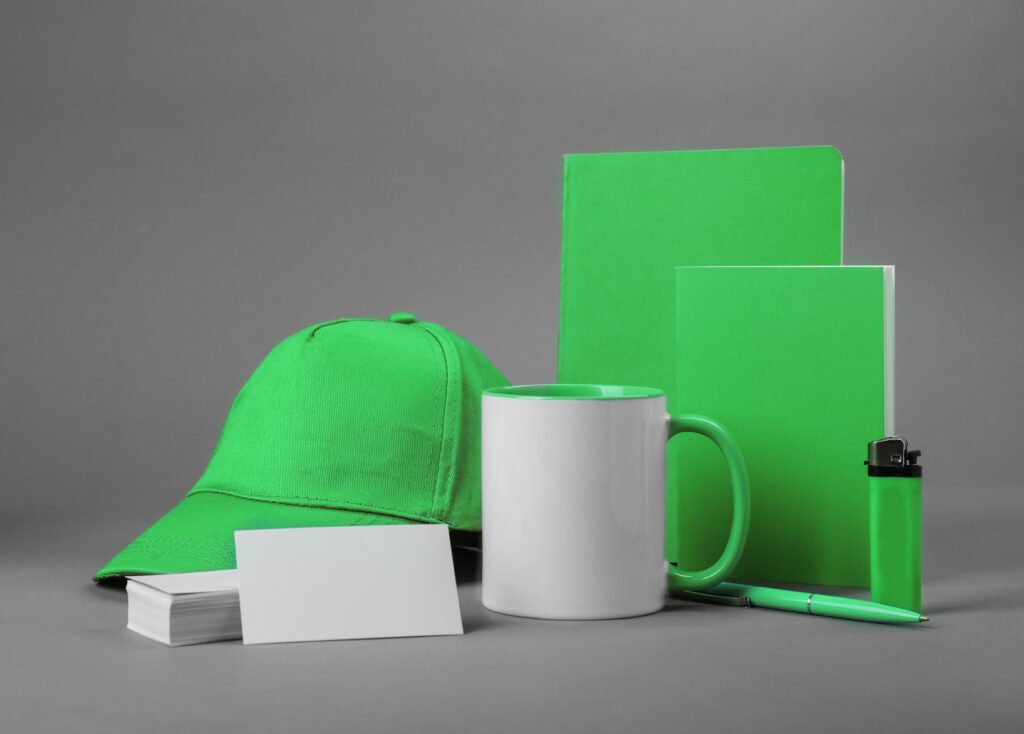
Even as marketing shifts further into the digital world, physical giveaways still have their place - especially where personal contact and experience matter. At trade shows, conferences, training sessions, or industry meetups, a well-chosen gift can keep a brand in mind long after the event ends. A pen, mug, or notebook might not be the most sophisticated marketing tool, but it still carries a logo and builds positive associations.
Physical giveaways also work when a brand wants to offer something tangible that stays with the recipient longer. A well-designed gadget can become a practical everyday object rather than just a promotional novelty. Offline, contact with a brand tends to be more emotional and memorable, which is why classic giveaways still hold up as a relationship-building tool. That said, their effectiveness depends on context and quality. In the digital age, physical gifts don't replace online activities - they complement them. The two worlds are increasingly combined, for example by adding QR codes to giveaways that lead to digital materials. That way, a traditional gift becomes a gateway to further communication through digital channels.
What are digital giveaways? (lead magnets)
Digital giveaways are the modern equivalent of traditional gifts - except they exist online and deliver specific, practical value to the user. They can take many forms: from checklists and PDF guides, through mini e-books and case studies, to calculators, templates, or interactive tools. Their purpose isn't just to spark interest, but above all to help solve a specific problem the recipient is dealing with.
In marketing, this is known as a lead magnet. It's material that a brand makes available to a user in exchange for their contact details - usually an email address, sometimes also a name or company information. The mechanism is simple: the company gives something of value, and the user gets an instant benefit while taking the first step into a relationship with the brand.
A well-designed lead magnet serves several purposes at once:
- it builds the brand's expert image,
- it attracts people genuinely interested in the topic,
- it lets the company start further communication (e.g., via a newsletter),
- it segments the audience according to their needs.
It's one of the most effective methods for generating leads in digital marketing - particularly in B2B and SMB sectors, where purchase decisions often require education and trust in the supplier.
A digital giveaway doesn't need to be an elaborate piece of material - what matters is practicality and how well it fits the recipient's problem. Even a simple, well-crafted checklist can be more valuable to a user than the nicest branded mug.
Which digital giveaways work best for B2B and small and medium businesses?
In SMBs and B2B, the purchase process tends to be longer, more rational, and driven by data analysis. Buyers rarely decide on impulse - they expect evidence, knowledge, and specifics. That's why the digital giveaways (lead magnets) that work best are the ones that address real informational needs while also making it easier for the customer to take the next step.
Below are examples of the most effective formats for different types of businesses.
E-commerce
Here, the key materials are guides that help with product selection and content that supports purchase decisions. The best-performing formats are:
- shopping checklists (e.g., "What to check before buying an electric bike"),
- "how to choose..." guides,
- product comparisons,
- mini e-books full of inspiration,
- size, cost, or spec calculators.
These are materials that reduce the number of returns and give customers more confidence right from the start.
B2B
In B2B, expertise and trust in the supplier are what matter, so educational and evidence-based materials work best:
- case studies,
- implementation guides,
- industry reports or data breakdowns,
- spreadsheets (e.g., ROI or TCO calculators),
- document templates,
- checklists (e.g., "how to choose a software vendor" checklist).
Content like this helps recipients better understand their problem and assess a supplier's competence.
Manufacturers and industrial businesses
In technical industries, users are looking for specifics. What works well here:
- technical spec sheets extended with practical guidance,
- instructions, diagrams, and how-to guides,
- product configurators that help pick the right specifications,
safety and audit checklists, - mini guides on servicing or installation.
These are materials that not only educate, but also increase the chances of a future sales contact.
In summary - the best digital giveaway is one that solves the recipient's problem and saves their time. In SMB and B2B, anything that provides knowledge, organizes the decision-making process, and reinforces a professional image works well. That way, a lead magnet becomes the start of a relationship, rather than a one-off exchange of information.
Advantages of digital giveaways over physical ones
While physical giveaways still have their place, in digital marketing online giveaways offer an advantage that's hard to ignore. They're cheaper, faster to produce, and far better suited to how companies acquire customers today. Below are the key benefits driving more and more SMBs and B2B companies toward digital lead magnets.
1. Instant distribution - they work right away
A digital giveaway can be downloaded just seconds after filling out a form.
Zero logistics, zero wait time, zero storage issues.
2. No production or shipping costs
An e-book, PDF, or calculator costs the same regardless of how many times it's downloaded.
A physical pen or mug - not necessarily.
3. Easy to update
Market changed? Just edit the file and republish it.
A digital giveaway never sits "in stock" as an outdated version.
4. Strengthens expert positioning
A well-crafted lead magnet demonstrates a company's expertise.
A physical gadget earns goodwill - a digital one builds trust and authority.
5. Great fit with marketing automation
Digital content can be tied into:
- autoresponders,
- email nurture sequences,
- lead scoring,
- personalization.
A physical gift won't kick off a marketing campaign. A PDF absolutely will.
6. Better lead quality
A digital giveaway attracts people genuinely interested in the topic.
A physical gift often attracts... people who just like free stuff.
7. Deeper analytics
You can measure:
- number of downloads,
- conversions,
- user behavior after downloading,
- subsequent interactions with the brand.
With a physical giveaway, the only thing you know is how many units you handed out.
8. Lower environmental impact
A digital lead magnet generates less waste and a smaller carbon footprint.
For many companies, that's real value from an image standpoint.
Digital giveaways are more flexible, scalable, and functional than most traditional gifts. Importantly, they benefit not just the customer, but the company itself - from lower costs, to easier analysis, to more effective lead generation. In the digital world, these are the ones winning the battle for attention and trust.
How do you create an effective digital giveaway?
A good digital giveaway (lead magnet) isn't a random PDF or a pile of generic tips - it's a precisely designed tool meant to solve the recipient's specific problem while also kicking off their relationship with the brand. The best materials are simple, practical, and immediately give users the sense that they got something genuinely valuable. Here are the key rules worth following when creating an effective lead magnet.
1. Start with a real customer problem
Don't create a giveaway just because it seems like the thing to do - do it because your audience genuinely needs something. The best starting points are the questions that keep coming up in sales, customer service, or search traffic.
The more specific the problem, the better.
2. Make sure it delivers instant value
A lead magnet should give users something they can put to use right away.
It doesn't need to be long - it needs to be useful.
A 1-page checklist often works better than a 40-page e-book.
3. Keep the format simple and accessible
An overly elaborate piece of material puts people off.
A digital giveaway is meant to help, not exhaust the reader.
Use plain language and a clear structure, so the recipient can easily put the advice into practice.
4. Show your expertise, without being pushy about selling
A lead magnet should build trust.
Your knowledge should "sell itself" - through sharp tips, good examples, and practical tools.
A gentle CTA at the end is enough.
5. Design the material to look professional and on-brand
Appearance matters:
- readable typography,
- a clear layout,
- graphics or icons that boost accessibility,
- brand-consistent colors.
A professional look means a professional brand.
6. Build a good landing page
An effective lead magnet needs a place where it can be downloaded.
The landing page should include:
- a short description of what the user will get,
- who the material is for,
- what specific problem it will solve,
- a clear, visible CTA,
- a minimal form (usually: email + GDPR checkboxes).
7. Plan what happens after the download
The download itself is only the beginning.
It's worth preparing:
- an autoresponder with a thank-you message and a link to the material,
- a series of educational emails (lead nurturing),
- additional content tailored to the giveaway's topic,
- an invitation to a consultation or to more valuable content.
8. Test and update
A lead magnet is a living product. For it to keep working, it's worth testing:
- are users downloading it?
- is the landing page description clear?
- would examples or graphics help?
- does the material need updating following changes in the industry?
Ongoing optimization improves results and increases the number of valuable leads.
An effective digital giveaway is one that genuinely helps the recipient, while also building a professional company image and opening the door to further communication. In a world where user attention is currency, a lead magnet needs to be useful, simple, and immediately valuable. That's what makes it one of the most powerful tools in the digital marketing arsenal.
Summary
Digital giveaways don't replace traditional ones - they complement and expand on what matters most in marketing: real value for the recipient. In a world where customer attention keeps shrinking and competition keeps growing, the companies that win are the ones that, instead of handing out another mug, offer a solution to a specific problem, knowledge delivered in a practical form, and a tool that can be used immediately. Lead magnets work because they combine psychology, usefulness, and a well-planned entry strategy into the customer funnel.
If you're wondering how to create an effective digital giveaway or lead magnet that genuinely delivers value - get in touch with us!